Discipline in trading: systems against emotions: the complete guide
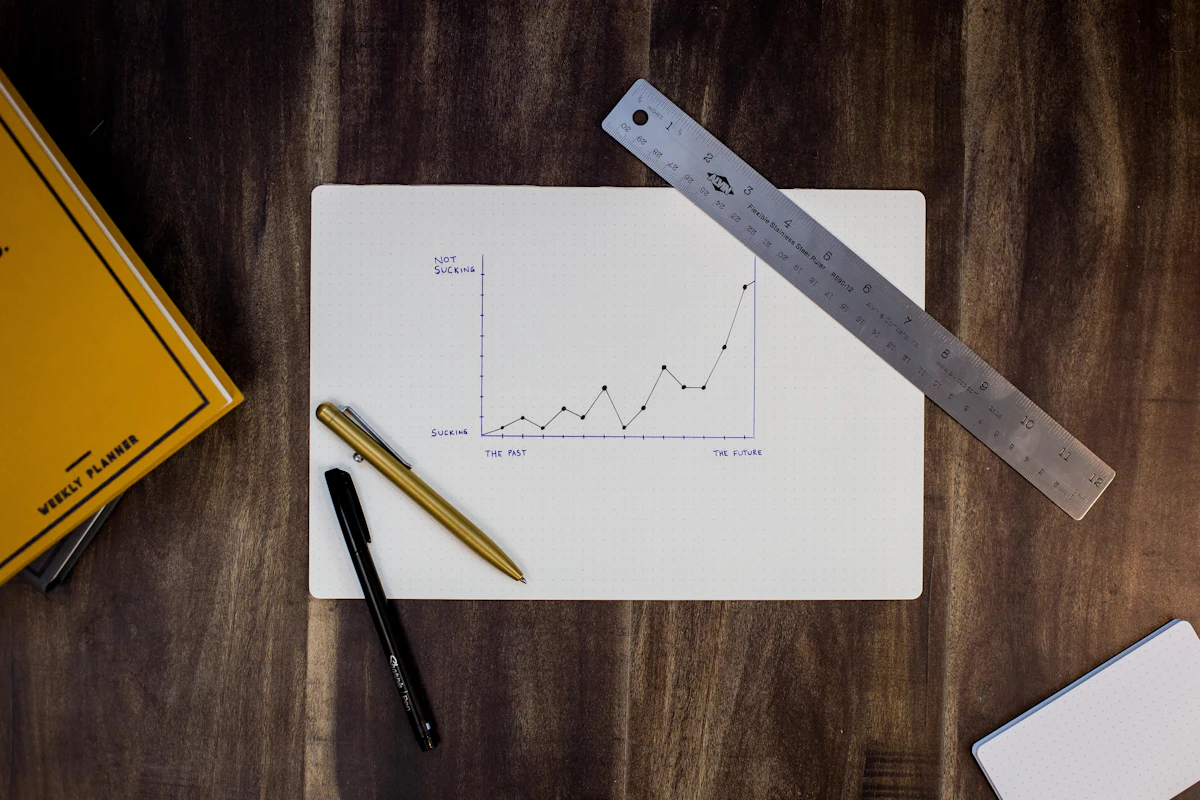
After working with hundreds of traders, the conclusion is uncomfortable but liberating: the problem is almost never the system, it is the nervous system. Fear of losing closes good trades early; the urge to recover opens bad trades outside the plan. This article is about building the routine that shields you from both.
The market is an expensive mirror: it amplifies whatever you bring to it. Impatience becomes overtrading, pride becomes averaging losers, fear becomes cut winners. The solution is not more meditation (though it helps): it is designing a process where emotions get the smallest possible vote.
The written plan: a contract with yourself
A trading plan is not an idea in your head: it is a document with concrete conditions. Which product, which window (for example the US open at 09:30 New York time), which signals, how much risk, when to stop. Anything unwritten will be renegotiated in the heat of the moment, and in the heat you always lose.
The plan turns trading into a checklist: level, signal, management, exit. If a trade ticks all four boxes it is executed without debate; if one is missing, it does not exist. Creative freedom belongs to the weekend review, not to the live session.

Technology works in your favour when used well. Software that shows where the real volume sits, where orders accumulate and how price reacts at key levels removes the hardest part of the job: reading context. Execution is still on you, but you are no longer trading blind.
The routine around the session
Consistent traders look suspiciously alike: they prepare before the open (levels, news, bias), trade only their defined window and review after the close. Fifteen minutes before and fifteen after transform the two hours in between.
The trading journal is the most profitable tool in existence and the least used: date, screenshot, entry reason, dominant emotion, result. One month of honest records shows your error pattern with brutal clarity. And what gets seen gets fixed.
Technology works in your favour when used well. Software that shows where the real volume sits, where orders accumulate and how price reacts at key levels removes the hardest part of the job: reading context. Execution is still on you, but you are no longer trading blind.
Let the software carry the weight
Part of trading's emotional load comes from deciding too many things in real time. When software marks the zones, calculates the targets and defines the stop, your job shrinks to execute or not execute. Fewer decisions, fewer cracks for emotions to slip through.
It is no coincidence that our most profitable users are the ones who touch the settings least: they picked a system, learned its rules and have executed it identically for months. Consistent results are born from a consistent process.
Habits that sustain consistency
- Session prepared before 09:30
- Fixed trading window: outside it, no trades
- Journal with screenshots and emotions
- Daily stop respected without exceptions
- Weekly cold review, with statistics
Remember that futures are leveraged products: money is made and lost faster than it looks. That is why at Tradesoft we insist on trading a written plan: level, signal, management, exit. If one of the four is missing, there is no trade. That discipline is worth more than any fashionable indicator.
To go deeper, these free resources help put it all in context: the official NinjaTrader platform, the Micro Nasdaq contract specs at CME Group, an economic calendar to track the US releases and a guide to trading concepts to reinforce the basics.
Discipline is not a personality trait: it is a well-designed system. When the process decides almost everything, willpower is barely needed, and that is the real goal of trading psychology.
Be patient with yourself: mental consistency trains like a muscle, session by session. The trader you will be in a year is built from what you record and correct this week.
Take the next step with Tradesoft
At Tradesoft we build software for NinjaTrader 8 that reads order flow, detects institutional pressure zones and gives you a clear execution plan: TSNY for the US open, TS2 for scalping, TSZONES for daily zones and TSELLIOT for wave structure. It works exactly the same from United States as from anywhere else: the market is the same and the local times are in this blog. Message us on WhatsApp and we will show you the systems from the inside, no strings attached.
Põe isto em prática com a Tradesoft
Sistemas de execução para NinjaTrader 8 com leitura institucional real. Pede acesso e opera com um plano.
Pedir acessoOperar futuros e produtos alavancados envolve um risco elevado de perda. Resultados passados não garantem resultados futuros. A Tradesoft fornece software e formação, não aconselhamento de investimento.